show saddles
Showing 1–9 of 11 results
-
FAST SELLING
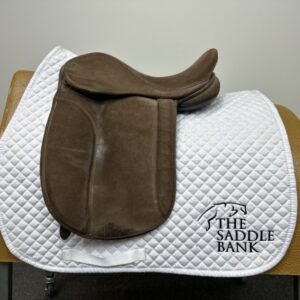
14 inch Ideal Ramsay Brown Wide
$520.00 -
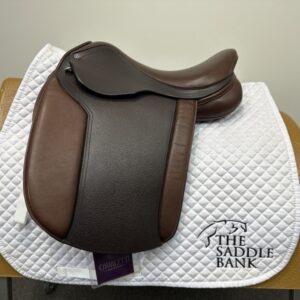
15 inch Cavaletti Collection Show Saddle Brown Adjustable
$900.00 -
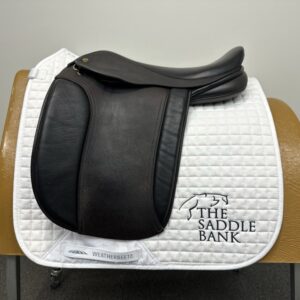
16 inch Black Country Classic Show Brown Extra Wide
$700.00 -
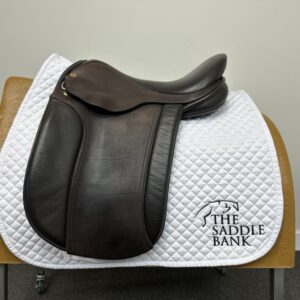
16 inch Black Country Classic Show Brown Wide
$800.00 -
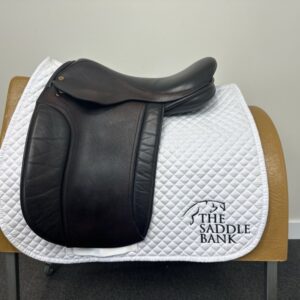
16 inch Black Country Poppy Show (Native Tree) Brown Wide
$850.00 -
FAST SELLING
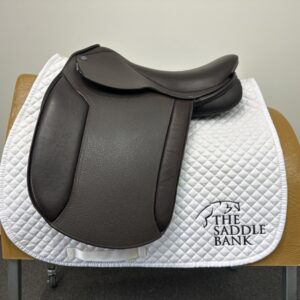
16 inch Cavaletti Collection Show Saddle Brown Adjustable
$900.00 -
FAST SELLING
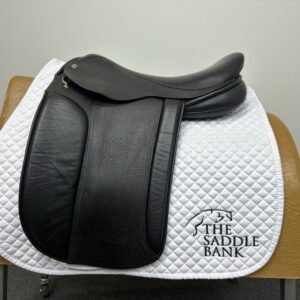
17 inch Black Country Classic Show Brown Wide
$1,100.00 -
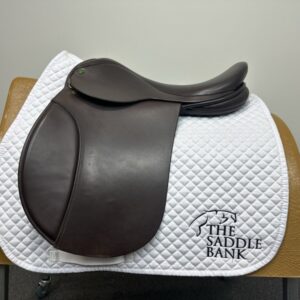
17 inch Ideal Working Hunter Brown Medium
$700.00 -
FAST SELLING
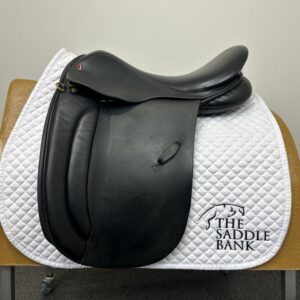
17 inch Jeffries Stamford Working Hunter Black Wide
$500.00
Show Saddles: Elegant Presentation and Precision Fit
Getting that picture-perfect look in the show ring comes down to the details. At Best Horse Saddle Shop, our collection of show saddles is carefully chosen to bring out the best in your horse’s shoulder line while giving you a quiet, balanced seat that lets their movement shine.
What Sets a Show Saddle Apart?
-
Straight-Cut Flaps: Set back off the shoulder blade, these flaps leave your horse free to move naturally while giving judges an unobstructed view of their neck and shoulder.
-
Low Cantle & Close-Contact Seat: Keeps you sitting close, quiet, and balanced without adding unnecessary bulk over your horse’s back.
-
Subtle Leg Support: Discreet knee rolls give you just enough support to stay secure without sticking out past the edge of the flap.
-
Wool-Flocked Panels: Natural wool flocking cushions your horse’s back, spreading weight evenly while keeping the saddle sitting nice and low.
Show Saddles vs. Working Hunter Saddles
| Feature | Show Saddle | Working Hunter Saddle |
| Flap Cut | Extra-straight cut to show off the shoulder | Slightly forward-cut to give your knees room when shortening stirrups for jumping |
| Seat Depth | Flat, close-contact seat for a clean silhouette | Semi-deep seat for extra security when riding over fences |
| Best Used For | Explore Show Saddles for Sale for flat classes, lead rein, ridden hunter, and breed showing | Shop Working Hunter Saddles for working hunter courses, flatwork, and jumping phases |
Quick Fitting Tips for Show Saddles
-
Check Shoulder Clearance: Make sure the tree rails sit flat and give the scapula plenty of room to slide under, especially on wider native breeds or warmbloods.
-
Match the Tree Profile: Flat-backed cobs and native breeds usually fit best in broad-tree architectures—like hoop trees or native trees—which keep the saddle from rocking side to side.
-
Plan for Seasonal Changes: If you have a young horse or one that changes shape between show seasons, look for saddles with interchangeable gullet systems or adjustable wool flocking.
Need Help Finding the Right Fit?
Finding the right mix of seat size, tree width, and panel type can feel overwhelming. If you aren’t sure which way to go, send us a photo or a wither tracing of your horse, and our team will gladly point you in the right direction!