
How to Measure a Horse for a Saddle: Step-by-Step Guide
Buying a saddle is a big decision. Whether you have owned horses for years or you are buying your first saddle, getting the fit right should always come before choosing a particular brand, colour or style.
Every horse is different. Some have high, defined withers, while others have broad, flatter backs. Some have short backs, while others have plenty of room for a larger saddle. Ponies can be even more varied, which is why choosing the right pony saddle requires just as much care as choosing a saddle for a larger horse.
At Best Horse Saddle Shop, we know that saddle shopping can sometimes feel confusing. There are different tree widths, seat sizes, gullet systems, panel shapes and saddle designs to consider.
The good news is that you can take some useful measurements at home before you start shopping.
This guide will show you how to measure your horse or pony, what measurements matter and what to look for when comparing a saddle.
One important point before we begin: measuring your horse at home is a useful starting point, but it does not replace a professional saddle fitting. A qualified saddle fitter should assess the final fit whenever possible.
Why Measuring Your Horse Matters
A saddle needs to sit correctly on your horse’s back without interfering with movement or creating unnecessary pressure.
If the saddle is too narrow, it can put excessive pressure around the withers and shoulders. If it is too wide, the saddle may sit too low and become unstable.
The saddle also needs to be the right length.
A saddle that is too long can extend too far along the horse’s back, while a saddle that is too short may not provide enough support for the rider.
This is why we recommend considering several measurements rather than relying on a single number.

What You Will Need
You do not need expensive equipment to take basic measurements.
For a simple home assessment, you will need:
- A flexible measuring curve or piece of flexible wire
- Measuring tape
- A piece of cardboard
- Marker or pencil
- Ruler
- Notebook or your phone for recording measurements
- A level surface where your horse can stand comfortably
If you have access to a professional saddle-fitting template or flexicurve, that can also be useful.
Step 1: Stand Your Horse Correctly
Before taking any measurements, make sure your horse is standing squarely on a flat, level surface.
Try to keep the horse relaxed and standing naturally.
Avoid measuring immediately after exercise when the horse’s posture or muscle shape may be temporarily different.
Ideally, measure the horse in its normal condition and take note of whether it is currently in regular work.
A horse’s shape can change considerably with fitness, weight and muscle development, so this information can be useful when choosing a saddle.
Step 2: Look at the Withers
The withers are one of the first areas you should examine.
Look at the height, width and shape of the withers from both the side and behind.
Some horses have prominent, high withers. Others have flatter, wider withers.
You should also look at the area immediately behind the shoulder blade, as this is where the front of the saddle needs to sit correctly.
Do not assume that a horse with high withers automatically needs a narrow saddle.
Wither height is only one part of the overall picture.
Step 3: Measure the Wither Shape
Using a flexible curve or wire, gently follow the shape of the horse’s back around the withers.
A common starting point is approximately two fingers behind the back edge of the shoulder blade.
Carefully shape the wire or flexicurve around the horse without pressing it tightly into the muscles.
Once you have the shape, transfer it onto your cardboard and trace the outline.
This gives you a basic template of your horse’s back at that particular point.
You can then compare the template with saddles or use it when discussing saddle options with a fitter.
Why This Measurement Helps
This measurement gives you an idea of the width and shape required at the front of the saddle.
However, remember that a horse’s back is three-dimensional.
A single wither template cannot tell you everything about saddle fit.
Step 4: Measure the Back Length
Next, consider how much usable back length your horse has.
The saddle should sit in the appropriate area behind the shoulder and should not extend too far towards the lumbar region.
This is particularly important for shorter-backed horses.
Run your hand along the horse’s back and identify the last rib. Follow the rib line towards the spine to find the approximate location of the last thoracic vertebra.
This gives you a useful indication of the area available for the saddle.
Your horse’s conformation should always be considered alongside this measurement.
Step 5: Consider Shoulder Movement
This is a step that is sometimes overlooked.
Watch your horse walk and observe how the shoulders move.
The front of the saddle needs to allow the shoulder to move freely.
A saddle that restricts the shoulder can affect the horse’s way of going and comfort.
When looking at a potential saddle, don’t just ask, “Does the width look right?”
Ask whether the saddle allows your horse to move naturally.
Step 6: Measure the Saddle You Already Own
If your horse currently has a saddle that fits well, measuring that saddle can give you a useful comparison when shopping online.
You can record:
- Seat size
- Gullet width
- Tree type
- Saddle length
- Flap length
- Flap position
- Panel shape
Take photographs of the saddle from the side, front and underneath.
This information can be particularly helpful when speaking to a saddle retailer about a replacement.
However, don’t automatically assume that the measurements of one brand translate directly to another.
Different manufacturers use different tree shapes and sizing systems.
Step 7: Understand Saddle Width
You will often see saddle descriptions such as:
Narrow – Medium – Wide – Extra Wide – XX-Wide
These descriptions are useful, but they are not completely universal.
A Medium from one manufacturer may not fit exactly like a Medium from another.
Some brands also use their own gullet systems or measurement methods.
This is why knowing the brand and model can be just as important as knowing the width.
If you are shopping for an adjustable saddle, you may have more flexibility because the gullet width can be changed on compatible models.
Step 8: Measure the Rider Too
Remember that saddle fitting is a two-person job — your horse and you.
Once you have considered your horse’s measurements, determine the saddle seat size you need as a rider.
Common sizes include:
- 15.5 inch
- 16 inch
- 16.5 inch
- 17 inch
- 17.5 inch
- 18 inch
- 18.5 inch
Your ideal size depends on your build, riding discipline and the design of the saddle.
For example, a jumping saddle may feel different from a dressage saddle even when both have the same stated seat size.
The best approach is to use measurements as a starting point and then consider how the saddle actually feels when you sit in it.
Step 9: Think About Your Horse’s Discipline
Your horse’s intended work should influence the saddle you choose.
Dressage
A dressage saddle normally has a straighter flap and is designed to support the rider’s dressage position.
Jumping
A jumping saddle generally has a more forward-cut flap and features designed to support the rider over fences.
General Purpose
A GP saddle is a versatile choice for riders who enjoy hacking, schooling and occasional jumping.
Eventing
Eventing saddles are designed to accommodate the demands of multiple disciplines.
Endurance
Endurance saddles are designed for longer rides, where weight distribution and rider and horse comfort are especially important.
Choosing the correct type of saddle is just as important as choosing the correct size.
Step 10: Check the Saddle’s Balance
When you eventually try the saddle, look at how it sits from the side.
The saddle should not obviously tip forward or backwards.
You should feel reasonably centred rather than constantly adjusting your position.
The horse should also be able to move comfortably underneath you.
This is one area where a professional fitter can provide invaluable help.
What About Adjustable Saddles?
Adjustable saddles can be a practical choice for horses whose shape changes throughout the year.
Depending on the saddle, the width may be altered using interchangeable gullet bars or another adjustment system.
This can be particularly useful for:
- Young horses
- Horses returning to work
- Horses undergoing fitness changes
- Horses whose weight changes seasonally
- Riders who want more flexibility from one saddle
But an adjustable saddle is not a universal solution.
It still needs to be the right model and shape for your horse.
How to Measure a Horse for a Used Saddle
If you are specifically looking for a used saddle for sale, measurements become even more useful.
Before buying, ask the seller for detailed information about:
- Seat size
- Tree width
- Gullet measurement
- Saddle length
- Flap length
- Tree type
- Panel type
- Saddle condition
- Any previous alterations
Ask for photographs of the saddle from several angles.
A good seller should be willing to provide clear information rather than expecting you to buy based on one photograph.
Common Measuring Mistakes to Avoid
Measuring on an uneven surface
Your horse should stand on a level surface wherever possible.
Pressing the measuring tool too firmly
The purpose is to capture the horse’s shape, not compress the muscles.
Measuring only the withers
The withers are important, but they are not the whole horse.
Ignoring saddle length
A saddle can have the correct width but still be too long for a particular horse.
Assuming all brands measure the same way
They don’t.
Buying without considering movement
A saddle can look perfect when your horse is standing still but behave differently once you are riding.
Ignoring the rider
The saddle needs to work for the horse and the person sitting in it.
When Should You Get a Professional Saddle Fitter?
We strongly recommend using a qualified saddle fitter when possible.
A professional can assess:
- Horse conformation
- Saddle position
- Tree width
- Panel contact
- Wither clearance
- Shoulder clearance
- Saddle balance
- Rider position
- Movement under saddle
This becomes even more important if your horse has unusual conformation, a changing topline, previous saddle issues or specific fitting requirements.
Buying a Saddle Online in the UK, Europe, USA and Australia
Online saddle shopping has made it much easier for riders to find specific brands, sizes and models.
At Best Horse Saddle Shop, we understand that customers may be shopping from different parts of the world, including the UK, Europe, USA and Australia.
If you are ordering a saddle internationally, take a little extra time to check:
- Exact saddle measurements
- Shipping costs
- Delivery times
- Import or customs requirements
- Returns policy
- Saddle condition
- Available fitting information
Don’t be afraid to contact the seller before purchasing.
A few questions before ordering can save you a lot of time and expense later.
Final Saddle Measurement Checklist
Before you start looking for your next saddle, write down:
Horse
- Wither shape
- Back profile
- Approximate usable back length
- Shoulder shape
- Current condition and fitness
- Existing saddle measurements
Rider
- Height and build
- Preferred seat size
- Riding discipline
- Preferred level of support
- Flap requirements
Saddle
- Brand
- Model
- Seat size
- Tree type
- Width
- Panel type
- Flap type
- Condition
Having this information ready makes it much easier to compare different saddles.
Find the Right Saddle at Best Horse Saddle Shop
Measuring your horse before shopping is one of the best ways to narrow down your choices, but remember that measurements are only the beginning.
The goal is not simply to find a saddle that matches a number. The goal is to find a saddle that works with your horse’s individual shape, your riding position and the discipline you enjoy.
At Best Horse Saddle Shop, we offer a selection of new and pre-owned saddles for riders looking across the UK, Europe, USA and Australia.
Whether you are searching for an adjustable saddle, dressage saddle, jumping saddle, GP saddle, endurance saddle or used saddle for sale, take the time to check the measurements and ask questions before ordering.
A well-chosen saddle can make a noticeable difference to your riding experience — and, most importantly, your horse’s comfort.
Measure carefully, choose thoughtfully and always put the fit of your horse first.
-
Sale!
“Vintage Embroidered Square-Toe Western Cowboy Boots
Original price was: $250.00.$200.00Current price is: $200.00. -
FAST SELLING
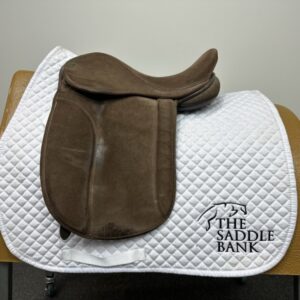
14 inch Ideal Ramsay Brown Wide
$520.00 -
FAST SELLING

14 inch Wintec 500 Pony AP All Purpose Black Adjustable
$400.00 -
FAST SELLING

15 inch Arena Pony Cob GP Brown Adjustable
$600.00 -
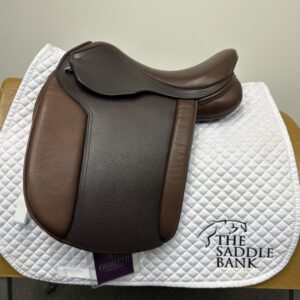
15 inch Cavaletti Collection Show Saddle Brown Adjustable
$900.00 -
FAST SELLING

15 inch GFS Monarch Pony Jump S671 Brown Adjustable
$650.00 -
FAST SELLINGON TRIAL

15.5 inch Cavaletti Collection Dual Flap GP Brown Adjustable
$750.00 -
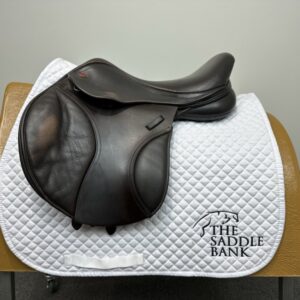
15.5 inch Kent and Masters S-Series Pony Jump MPJ Brown Adjustable
$600.00 -
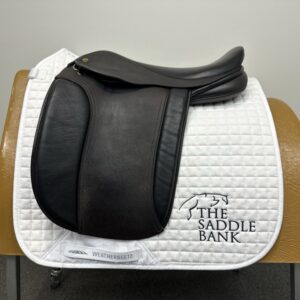
16 inch Black Country Classic Show Brown Extra Wide
$700.00 -
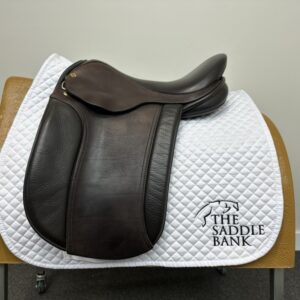
16 inch Black Country Classic Show Brown Wide
$800.00 -
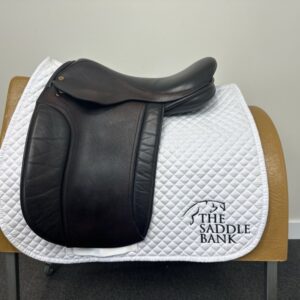
16 inch Black Country Poppy Show (Native Tree) Brown Wide
$850.00 -
FAST SELLING
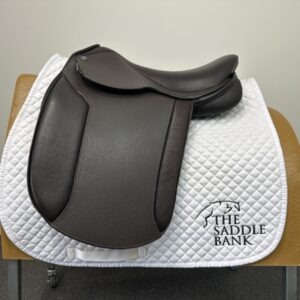
16 inch Cavaletti Collection Show Saddle Brown Adjustable
$900.00