Western Saddle
Showing all 3 results
-
used saddles for sale (2)
-
FAST SELLING
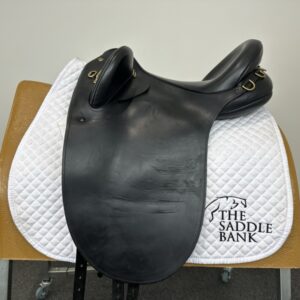
17.5 inch Bates Kimberley Black Adjustable
$1,000.00 -
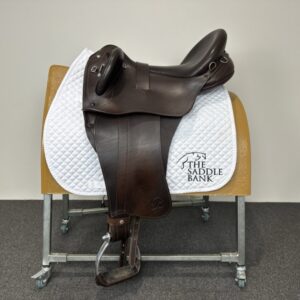
17.5 inch Bates Kimberley with Swinging Fender Brown Adjustable
$1,600.00 -
FAST SELLING
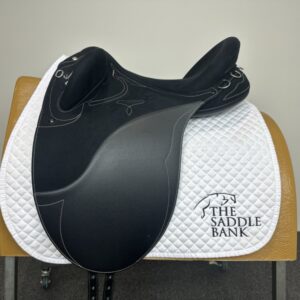
17.5 inch Wintec Pro Stock Black Adjustable
$900.00
Western Saddles: Classic Security, Toughness, and Trail Comfort
Whether you’re working cattle, competing in western performance, or spending all day on the trail, a Western saddle is built for pure comfort and durability.
Rooted in the traditions of vaqueros and ranch cowboys, its wide tree footprint spreads your weight evenly, while the deep seat and iconic horn keep you secure over any terrain.
What Sets a Western Saddle Apart?
-
The Horn & Swells: Gives you a handy grip on steep trails or a strong anchor point when working livestock.
-
Broad Skirts: Wide, fleece-lined skirts distribute your weight over a huge surface area, keeping your horse comfortable on long rides.
-
Deep Seat & Supportive Cantle: Holds you in a relaxed, balanced position so you suffer less lower-back and knee fatigue.
-
Heavy-Duty Rigging: Uses thick leather latigos and sturdy cinches to keep everything rock-solid and slip-free.
Western vs. English Saddles
| Feature | Western Saddle | English Saddle |
| Weight & Feel | Heavier (25–35+ lbs) with deep security | Lightweight (10–18 lbs) for close-contact precision |
| Stirrups | Wide leather fenders that protect your legs | Slim leather straps with metal irons |
| Best For | Trail riding, ranch work, reining, western pleasure | Jumping, dressage, eventing, English flatwork |
Quick Fitting Tips for the Trail
-
Bar Angle: The internal tree bars must match the angle of your horse’s shoulders—too narrow will pinch, too wide will drop onto the withers.
-
Skirt Length: Make sure the back edge of the skirt doesn’t extend past your horse’s last rib or press into their hips.
-
Cinch Gap: Aim to keep the cinch about 3 to 4 inches behind the elbow to prevent rub spots.
-
Need Help Finding the Right Gullet or Bar Width?
Quarter Horse bars, Full QH bars, and high-wither cuts can be tricky to navigate. Send our team a photo or a wither tracing of your horse, and we’ll help you find the right Western fit!
Western Saddles: Classic Security, Toughness, and Trail Comfort
Whether you’re working cattle, competing in western performance, or spending all day on the trail, a Western saddle is built for pure comfort and durability.
Rooted in the traditions of vaqueros and ranch cowboys, its wide tree footprint spreads your weight evenly, while the deep seat and iconic horn keep you secure over any terrain.
What Sets a Western Saddle Apart?
-
The Horn & Swells: Gives you a handy grip on steep trails or a strong anchor point when working livestock.
-
Broad Skirts: Wide, fleece-lined skirts distribute your weight over a huge surface area, keeping your horse comfortable on long rides.
-
Deep Seat & Supportive Cantle: Holds you in a relaxed, balanced position so you suffer less lower-back and knee fatigue.
-
Heavy-Duty Rigging: Uses thick leather latigos and sturdy cinches to keep everything rock-solid and slip-free.
Western vs. English Saddles
| Feature | Western Saddle | English Saddle |
| Weight & Feel | Heavier (25–35+ lbs) with deep security | Lightweight (10–18 lbs) for close-contact precision |
| Stirrups | Wide leather fenders that protect your legs | Slim leather straps with metal irons |
| Best For | Trail riding, ranch work, reining, western pleasure | Jumping, dressage, eventing, English flatwork |
Quick Fitting Tips for the Trail
-
Bar Angle: The internal tree bars must match the angle of your horse’s shoulders—too narrow will pinch, too wide will drop onto the withers.
-
Skirt Length: Make sure the back edge of the skirt doesn’t extend past your horse’s last rib or press into their hips.
-
Cinch Gap: Aim to keep the cinch about 3 to 4 inches behind the elbow to prevent rub spots.
-
Need Help Finding the Right Gullet or Bar Width?
Quarter Horse bars, Full QH bars, and high-wither cuts can be tricky to navigate. Send our team a photo or a wither tracing of your horse, and we’ll help you find the right Western fit!